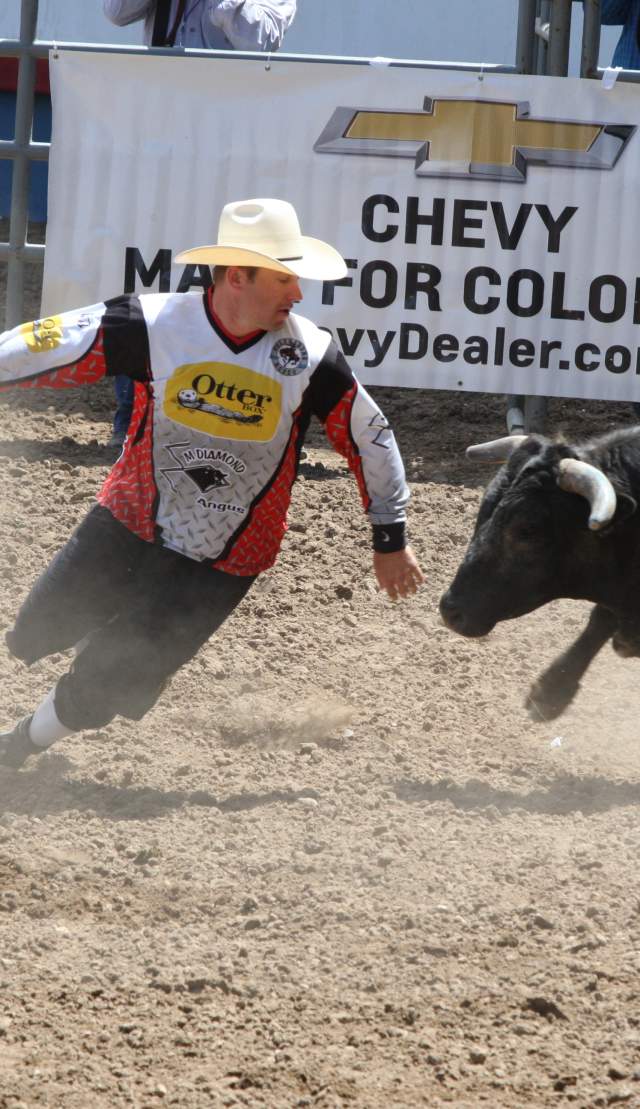
As Colorado celebrates 150 years of statehood and America marks its 250th anniversary, there are few local traditions that tell the story of Greeley's history quite like the Greeley Stampede. 

What began as a small community celebration honoring local farmers has grown into one of Colorado's largest and most beloved summer events. Today, the Greeley Stampede welcomes more than 250,000 visitors each year, but its roots remain firmly planted in the agricultural heritage and community spirit that helped shape both Greeley and Colorado. 

The Beginning: The Greeley Spud Rodeo 
 

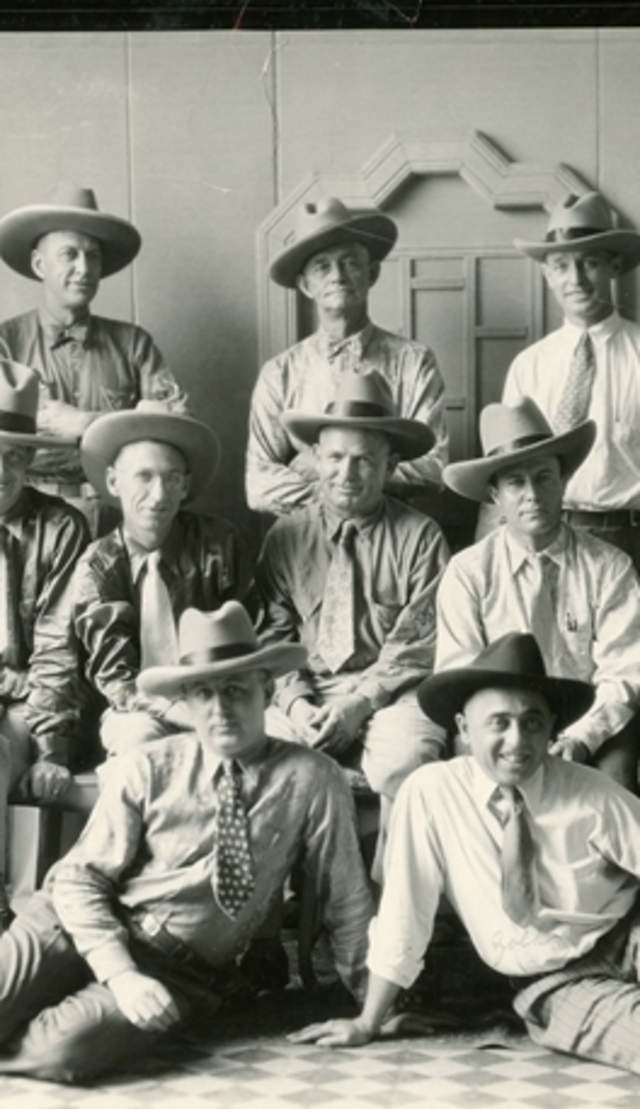
The story starts in 1922 when local leaders organized the first official “Greeley Spud Rodeo.” At the time, potatoes were one of the area’s most important crops, and the event was created to celebrate the hardworking farmers who helped build the local economy. 

The first festival was a one-day event that drew an estimated 2,500 attendees. Activities included bucking bronc riding, fancy roping, horse racing, motorcycle and bicycle races, a pie-eating contest and even a two-mile Ford Model T race. 

While rodeo events were a central attraction, the festival was always about more than competition. It was a chance for neighbors to gather, celebrate the harvest and strengthen community ties. 

A Community Tradition Through Challenging Times 

Like many American traditions, the rodeo adapted during times of national hardship. 

During World War II, fireworks were suspended to conserve materials needed for the war effort. Military members in uniform were admitted free of charge, and patriotic displays became an important part of the celebration. 

Even as the nation faced uncertainty, the event continued to bring people together, highlighting the resilience and unity that defined both Greeley and America during the war years. 

Growing Beyond Greeley 

As the event gained popularity, organizers looked for ways to attract visitors from across the region and beyond. 

In 1949, the event was renamed the ”Go West with Greeley Rodeo,” inspired by the famous phrase often associated with Greeley’s namesake, Horace Greeley: ”Go West, young man.” 

The new name reflected both the city’s western identity and Colorado’s reputation as a destination for opportunity, agriculture and adventure. During this era, the rodeo continued to grow and became an important summer tradition for generations of families. 

The Birth of the Greeley Independence Stampede 

In 1972, a community naming contest led to another transformation. The event became known as the “Greeley Independence Stampede,: connecting the celebration more closely with Independence Day and the nation’s founding ideals. 

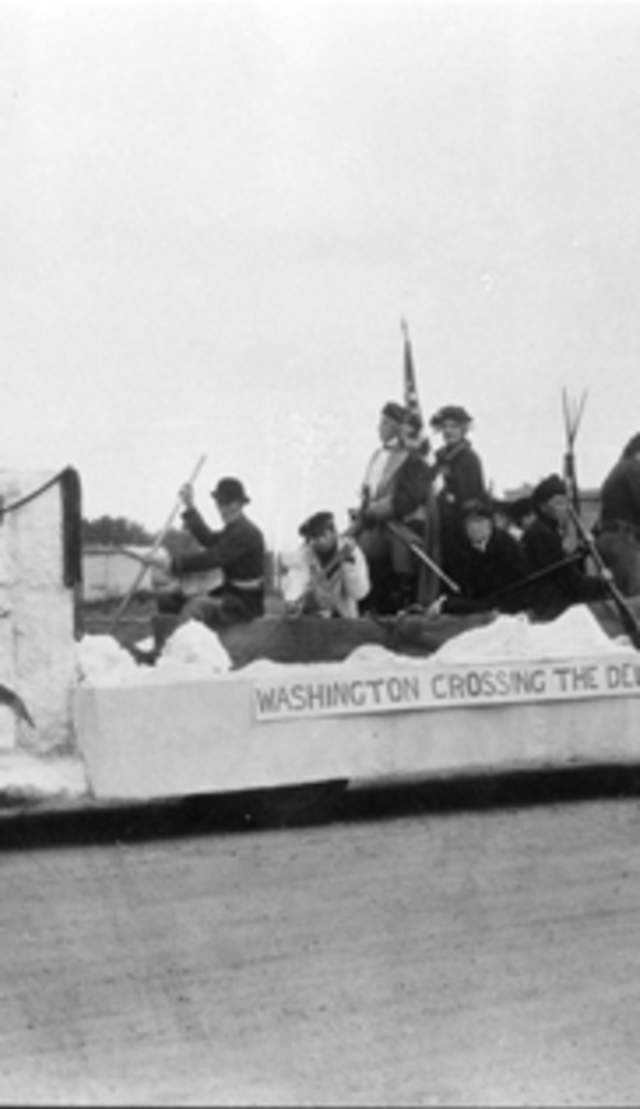
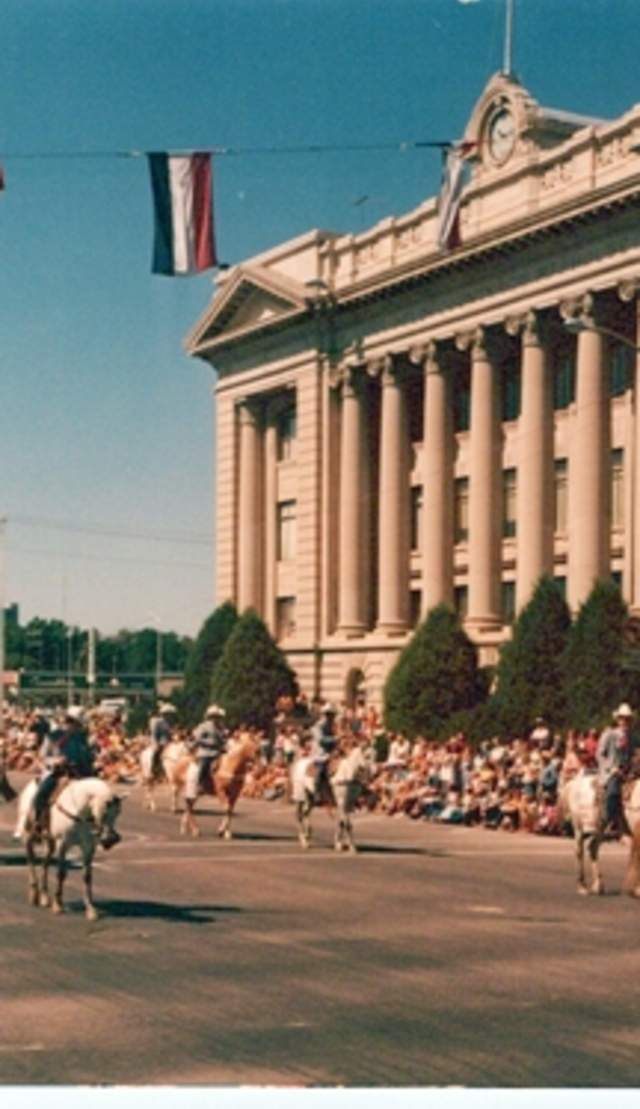
Over the following decades, the Stampede expanded far beyond rodeo competitions. Concerts, carnival rides, parades, demolition derbies, western art shows, family activities and community gatherings became staples of the annual celebration. 

The event’s growth mirrored Colorado’s, evolving from a local agricultural gathering into a major regional attraction while maintaining its hometown character. 

The Stampede Today 

After briefly operating under the name ”Rocky Mountain Stampede” from 2003 to 2005, the event returned to the name Greeley Stampede, honoring the strong community identity that had made it successful for generations. 

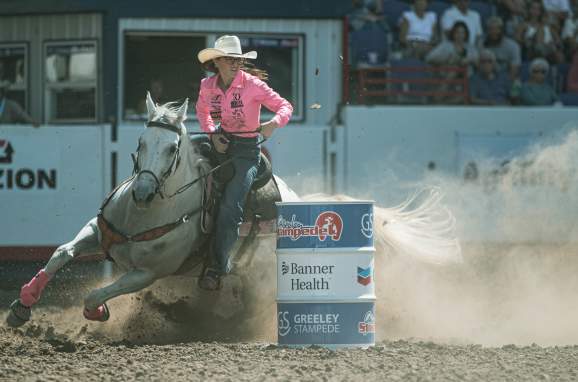
Today, the Greeley Stampede’s mission is to celebrate America’s independence, preserve western heritage and strengthen the community. The annual summer celebration spans more than 10 days and features PRCA rodeos, the Heritage of Mexico Rodeo, concerts, parades, carnival attractions, family activities and one of Colorado’s largest Independence Day celebrations. 

The organization also gives back to the community year-round through volunteer efforts, scholarships, charitable donations and support for local nonprofit organizations. 

A Legacy Worth Celebrating 

The story of the Greeley Stampede is, in many ways, the story of Colorado itself. 

It reflects the agricultural roots that helped build communities across the state, the entrepreneurial spirit that fueled growth in the West, and the importance of coming together to celebrate shared traditions. 

As Colorado marks 150 years of statehood and America celebrates 250 years of independence, the Greeley Stampede stands as a reminder that some of our strongest traditions are the ones that continue to bring people together generation after generation. 

From its beginnings as a potato festival in 1922 to the world-class event it is today, the Greeley Stampede remains a proud symbol of Greeley’s past, present and future.